

Our Tampa Limo Blog
How to Avoid Hidden Fees in Car Services
Table of Contents
- Why Hidden Fees in Car Services Are So Common
- The All-Inclusive Car Service Quote: What It Should Include
- Car Service Extra Charges to Watch For
- Car Service Cancellation Fees and Change Policies
- Car Service Waiting Time Charges Explained
- How to Dispute an Unexpected Charge
- Questions to Ask Before You Book
- Conclusion: Book with Confidence, Not Confusion
- Frequently Asked Questions
Last Updated: October 6, 2026
Why Hidden Fees in Car Services Are So Common
Hidden fees in car services are extra charges added after you book, from fuel surcharges to airport fees that never appeared in the original quote.
At Prestige Black Car Service, we hear the same complaint from clients: the price they paid did not match the price they were quoted.
The pattern is simple. The Federal Trade Commission's guidance on deceptive pricing makes clear that hiding mandatory charges until checkout can count as a deceptive practice.
So how do you avoid it? Below, we break down what to check before you book, what to ask, and how to dispute a surprise charge.
The All-Inclusive Car Service Quote: What It Should Include
An all-inclusive car service quote states one total cost that covers the full trip, with every mandatory charge listed in writing. If a fee is required to complete your ride, it belongs in the quote, not the invoice.
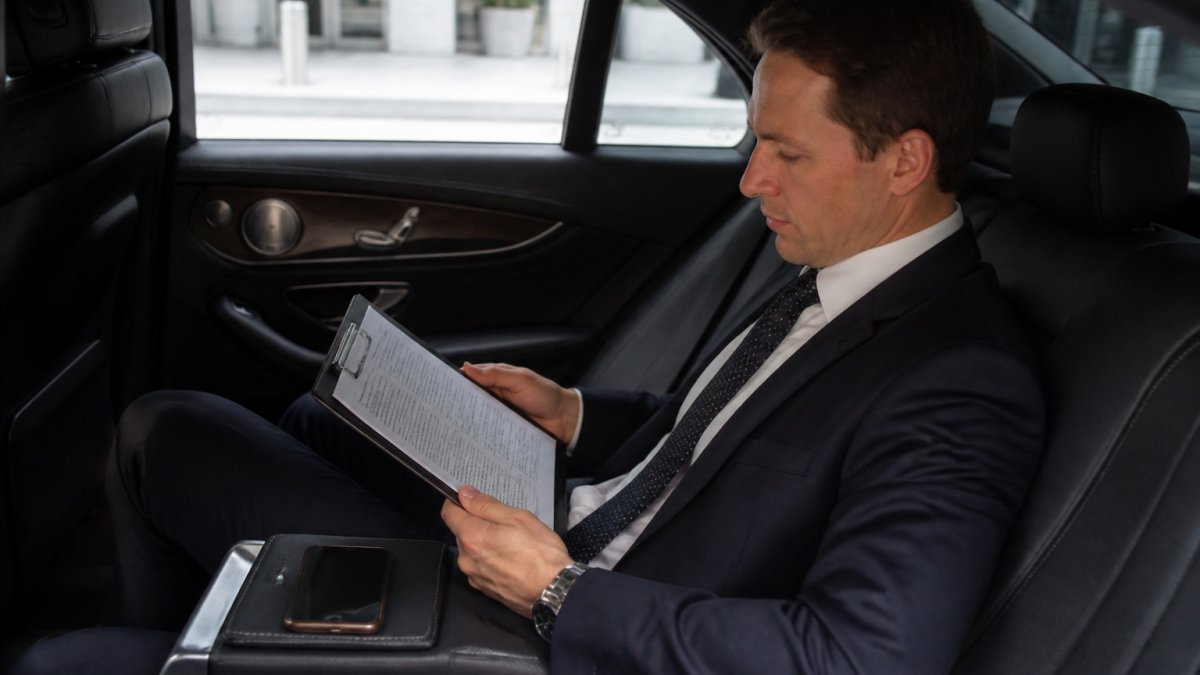
A complete quote should list each of these:
- Base rate for the trip, not just a daily rate
- Fuel surcharge, or a note that fuel is included
- Tolls and parking, itemized or bundled
A Reusable Checklist for Reviewing an Itemized Quote
Use this every time you receive a written quote. Read it once for the total, then line by line against this list:
- Base rate. Confirm whether it is a flat trip rate, an hourly rate with a minimum, or a daily rate. A daily rate on a two-hour airport run is a red flag, ask for the flat trip total.
- Labor or driver time. Check whether the driver's time is built into the base rate or billed separately. If separate, ask what triggers extra time (traffic, multiple stops, early arrival).
- Fuel. Look for a stated flat fuel surcharge or an explicit "fuel included" line. A vague "fuel may apply" is not a quote.
- Tolls and parking. These are pass-through costs on many routes. Ask whether the quote bundles them or bills them at cost with a receipt.
- Airport or terminal fees. These vary by airport and are often the largest add-on. Confirm whether the fee is in the total or added at drop-off.
- Wait time. Find the free window (often 15-60 minutes at airports, shorter or zero elsewhere) and the per-increment rate after it.
- Gratuity. Confirm whether it is included, suggested, or optional. "Optional" gratuity pre-filled on the final invoice is not optional in practice.
- Cancellation and change fees. Note the notice window and what a same-day change costs.
- Taxes and mandatory surcharges. These should be listed, not folded into "other fees."
- Disposal, cleaning, or damage fees. For chauffeur and rental-style services, ask what triggers a cleaning or damage charge and how it is documented.
How to Spot a Padded or Incomplete Estimate
A few patterns show up again and again:
- The single-line quote. One number with no breakdown. Ask for the itemized version before you pay.
- The "starting at" rate. A headline price that excludes fuel, tolls, and airport fees. Ask for the all-in total for your route and time.
- Duplicated charges. A fuel surcharge and a separate "energy fee," or an airport fee plus a "terminal access" fee. Ask the provider to explain the difference in writing.
Set a Spending Limit Before You Approve
For any service where the final cost can change, extra stops, extended wait time, a route change, put a written cap on the quote. A simple line in your confirmation email works: "I authorize up to $X total; anything above that requires my written approval before it is performed." This converts an open-ended invoice into a bounded one.
If a provider will not put these items in writing, that is your answer. An itemized quote protects you and shows the operator has nothing to hide.
Car Service Extra Charges to Watch For
Car service extra charges are the add-ons that appear between booking and billing. Most are legitimate when disclosed up front. The problem is when they surface for the first time on your final bill.
Fuel Surcharges and Airport Fees
A fuel surcharge is tied to gas prices and should be stated as a flat amount or clear formula before you book. Airport fees cover terminal pickup or drop-off and vary by airport. Ask whether these are already in your quote; if the answer is vague, treat that as a hidden fee waiting to happen.
Tolls, Parking, and Gratuity
Tolls and parking are real costs on many routes, so a fair operator either bundles them or lists them. Gratuity is different. Some companies build it into the rate; others leave it optional. Confirm which applies to you. A charge labeled "gratuity" that you never agreed to is not a tip, it is an extra cost.
| Charge | Typically Disclosed Up Front? | What to Confirm |
|---|---|---|
| Fuel surcharge | Sometimes | Flat amount or formula, in writing |
| Airport fee | Sometimes | Included in quote or added later |
| Tolls and parking | Rarely | Bundled or itemized |
| Gratuity | Often | Included or optional |
| Wait time | Rarely | Free window and hourly rate |
Car Service Cancellation Fees and Change Policies
Car service cancellation fees apply when you cancel or change a booking inside the provider's window, often 24 to 48 hours before pickup. The policy should be in writing before you pay.
Ask three things: how much notice you need to cancel without a fee, what a last-minute change costs (adding a stop, moving your pickup time), and whether a no-show is charged the full fare or a partial fee.
Get the answer in writing, even if it is just a confirmation email. A verbal "don't worry about it" will not help when the invoice arrives.
Car Service Waiting Time Charges Explained
Car service waiting time charges are fees for time your driver spends waiting beyond a free window, usually billed in set increments. Airport pickups often include a short grace period; other pickups may include none.
Here is how the clock usually works:
Book our black car service now! →
- Airport pickups: free wait window starts when your flight lands, not when you reach the curb
- Standard pickups: free window is often shorter, sometimes zero
- After the window: billed per increment, commonly by the hour or half hour
The fix is simple. Share your flight number so the driver tracks it, and confirm the free window in writing. If your plans slip, message the driver. A quick heads-up usually beats a surprise charge.
How to Dispute an Unexpected Charge
Disputing an unexpected charge starts with your paperwork. Gather your original quote, booking confirmation, any written authorization, and the final invoice, then compare them line by line before you contact anyone, the strength of your dispute is the gap between what you agreed to and what you were billed.
Build Your Evidence File First
Before you send a single message, assemble these in one folder:
- The original written quote or estimate
- The booking confirmation and any change orders
- Your written spending limit or approval, if you set one
A dispute with a clean paper trail is resolved far more often than one that relies on memory.
The Escalation Ladder
Work up these steps in order, giving each a reasonable window, most providers respond within a few business days, before moving to the next.
- Identify the charge precisely. Name the exact fee, amount, and date it appeared. "Fuel surcharge of $X on invoice #1234" beats "you overcharged me."
- Point to the quote. Quote the line from your original estimate that contradicts the charge, or note that the fee was absent entirely.
- Request a correction in writing. Email the provider's billing or customer-service address. State the amount you agree to pay, the amount you dispute, and the correction you want. Keep it factual.
- Set a deadline. Ask for a written response within a set number of business days, and say what you will do next if you do not get one.
- Escalate inside the company. If the first contact does not resolve it, ask for a supervisor or the billing manager by name or title. Forward the entire thread so nothing is lost.
- Dispute with your card issuer. If you paid by credit card and the provider will not correct a charge you did not authorize, you can open a billing dispute with your card issuer. The Consumer Financial Protection Bureau's guide to credit card charge disputes explains the process, including the written-notice window and what the issuer must do while the dispute is open.
- File a consumer complaint. If the charge involves a deceptive practice, the Federal Trade Commission's guidance on deceptive pricing describes what counts, and the USA.gov consumer complaint resource points you to the right federal, state, or local agency for your situation.
What to Say in the First Email
Keep it short and specific:
- One sentence stating the problem and the disputed amount.
- One sentence citing the quote or authorization that contradicts the charge.
- One sentence stating the correction you want.
Attach the quote, confirmation, and invoice. Do not argue about intent, argue about the numbers.
When to Involve Your Card Issuer
A card dispute is appropriate when the charge was unauthorized, the service was not delivered as agreed, or the provider will not respond. Under federal law, you generally must send a written billing-error notice to your card issuer within a set window after the statement containing the error, and the issuer must acknowledge and investigate. Keep copies of everything you send, and if the provider later refunds you, tell the issuer so the dispute can be closed.
Questions to Ask Before You Book
Ask these before you pay, and you will avoid most hidden fees:
- Is this the total cost, all fees included?
- What is not covered by this quote?
- What is the wait time policy and rate?
A provider with transparent pricing will answer all seven without hesitation. One that dodges is telling you something.
Conclusion: Book with Confidence, Not Confusion
Hidden fees in car services are a pricing problem, not a mystery. Compare total cost, get everything in writing, and ask the seven questions above to avoid surprises.
At Prestige Black Car Service, our pricing is competitive and reasonable, and we put it in writing up front.
Book our black car service now and get a clear, all-inclusive quote before you ride.
Frequently Asked Questions
Which car service fees should I ask about before booking?
Ask about fuel surcharges, airport access fees, tolls, parking, waiting time, extra stops, and gratuity. Also confirm whether the quoted rate includes all taxes and whether there are surcharges for peak hours, late-night pickups, or flight delays. Request a written itemized quote that lists every possible charge so you can compare the total cost, not just the base rate.
How can I tell whether a car service quote includes all fees?
A transparent quote will itemize each charge: base rate, fuel, tolls, parking, taxes, and any surcharges. If the quote only shows a single lump sum or says 'plus applicable fees,' ask for a breakdown in writing. Reputable providers will send an all-inclusive car service quote that states exactly what is covered and what is not, so there are no surprises on the final bill.
Can a car service charge extra for waiting time or flight delays?
Yes, many car services charge waiting time after a grace period, often 15-30 minutes for airport pickups and 10-15 minutes for other pickups. Flight delays can trigger waiting charges if the driver has to wait beyond the scheduled pickup window. Before booking, ask about the grace period, the hourly waiting rate, and whether they track flight arrivals to adjust pickup time without extra cost.
How do I dispute an unexpected car service charge?
First, request an itemized invoice and compare it to your original quote. If you find a discrepancy, contact the company in writing, explain the issue, and attach your quote and any receipts. If you paid by credit card, you can dispute the charge under the Fair Credit Billing Act. Keep records of all communication. Many companies will resolve errors quickly if you provide clear documentation.
‹ Back
Recent Posts
-

How to Book Wedding Transportation for Guests, Step by Step
November 10, 2026
-

How to Find a Car Service Quickly When You Need One
November 9, 2026
-
Can You Prebook Tampa Airport Transportation for Late Flights?
November 9, 2026
-
How to Manage Executive Travel Logistics in 2026
November 8, 2026
-

How to Schedule Recurring Airport Pickups Step by Step
November 7, 2026